
48 hr
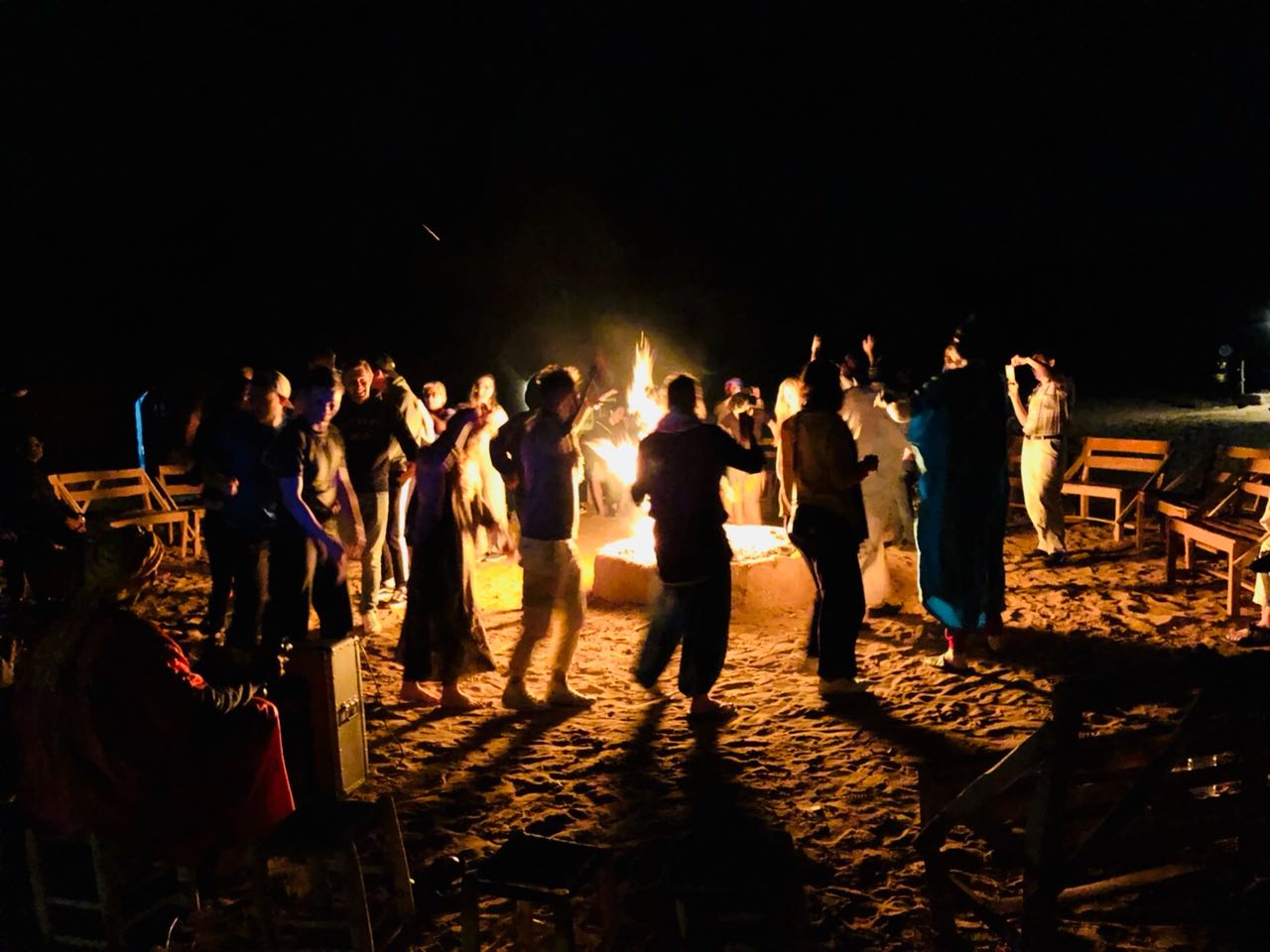
2-Day Marrakech to Sahara: Zagora Dunes & Ait Ben Haddou
Cross the Atlas Mountains, sleep under desert stars, and ride camels at sunset near Zagora.
Reserve
Hand-picked by our editors — only the best 5 two-day desert experiences from 140 reviewed.
Verified partners for every tour, free cancellation where available, and instant confirmation on every booking.
48 hr
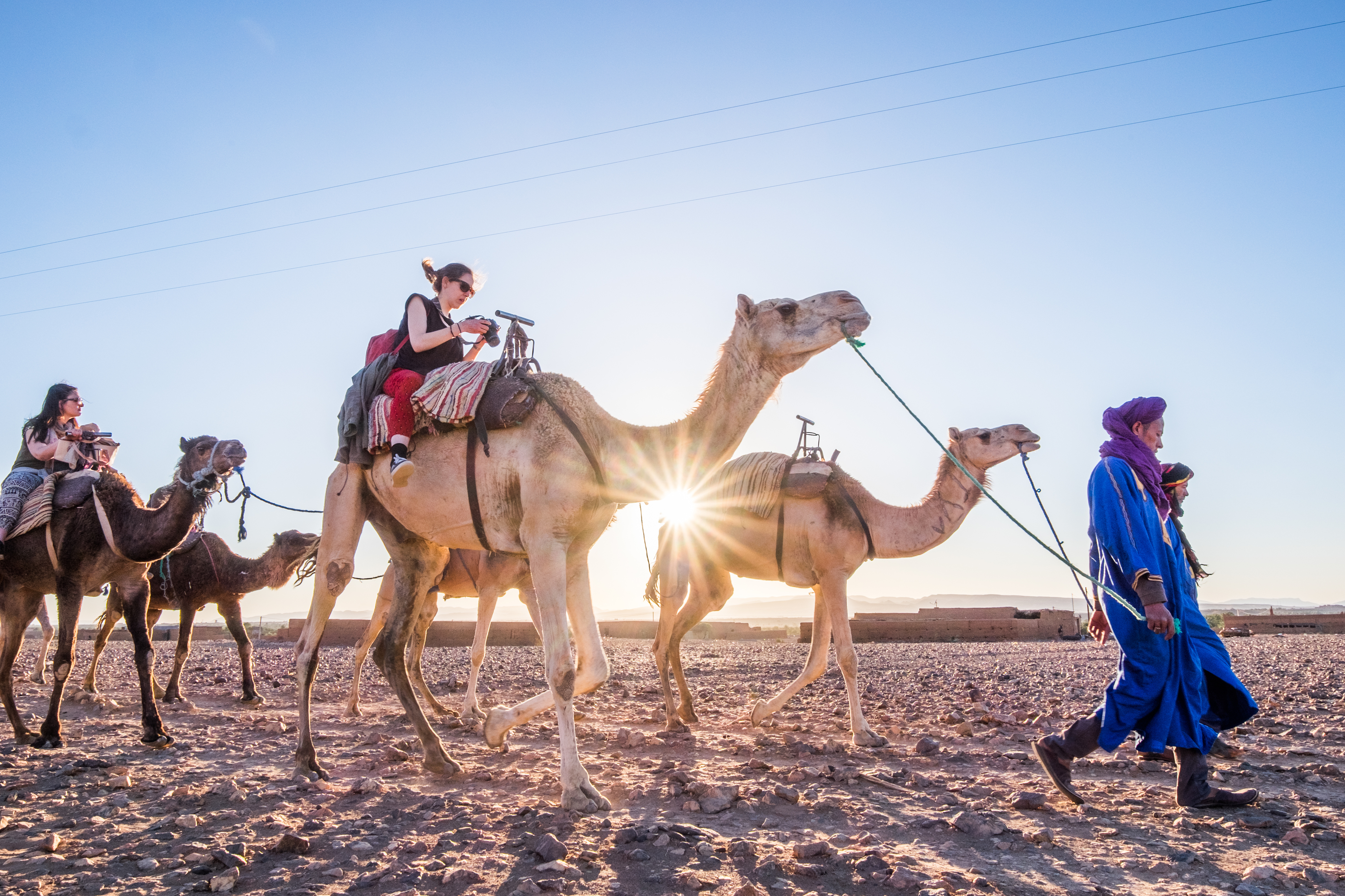
Cross the Atlas Mountains, sleep under desert stars, and ride camels at sunset near Zagora.
Reserve
48 hr
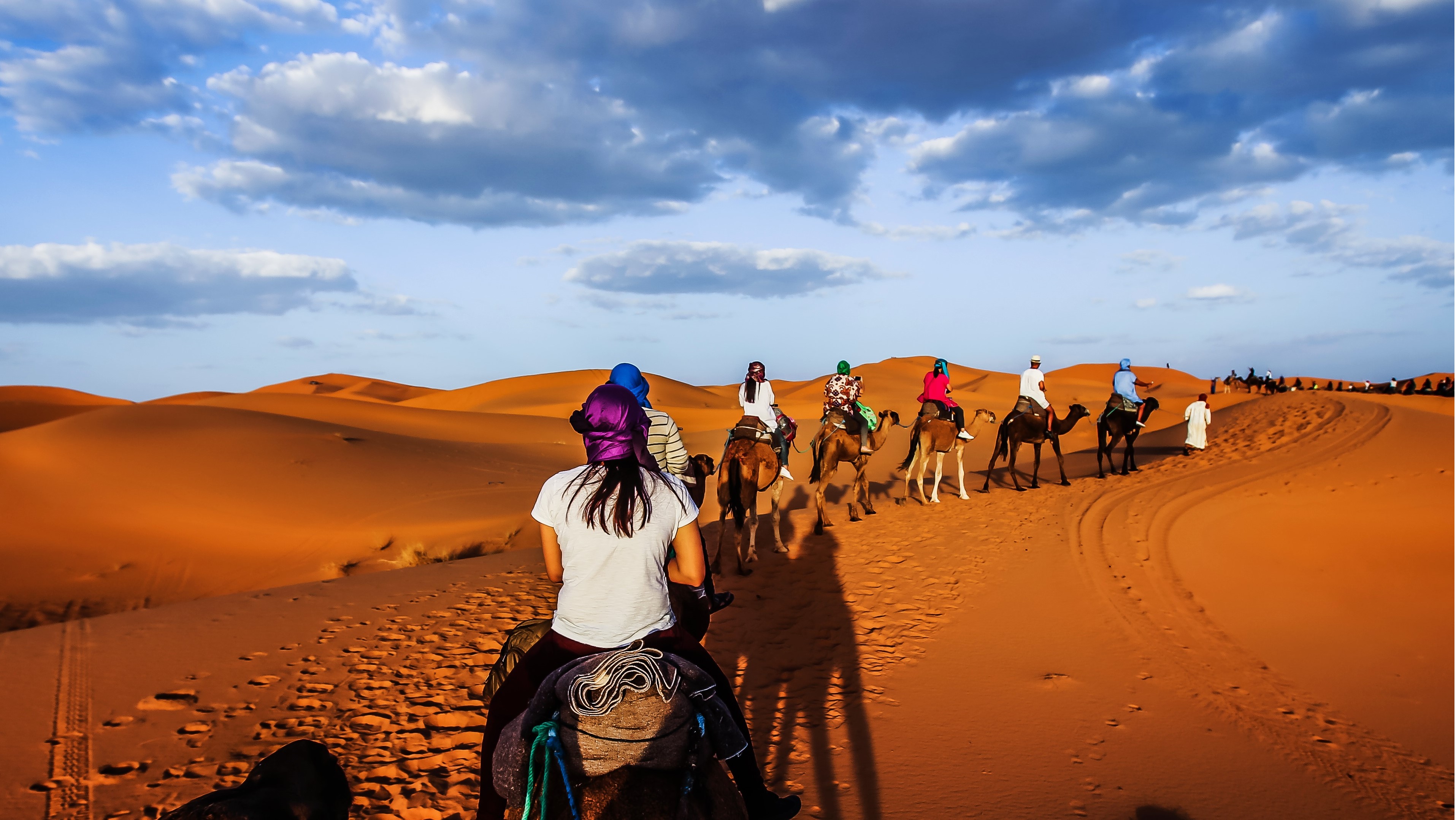
Journey from Fez to the golden dunes of Merzouga — camel rides, starlit dinners, and Berber traditions await.
Reserve
48 hr
Journey through mountain passes and palm valleys to sleep under Saharan stars in a traditional Berber camp
ReservePrices from verified partners. Availability updates in real time at checkout. Free cancellation policies apply where shown.
The landmarks, rooms, and views travelers on this tour remember — all visible on a single visit.
These iconic film sets are located in the heart of the Sahara, offering a direct view into cinematic history. Visitors can walk through the original structures that have been preserved by the desert climate.
The Tunisian route is ideal for cinema enthusiasts seeking specific production sets, whereas Moroccan desert treks provide a more immersive experience for those prioritizing vast dune exploration and cultural depth.
| Feature | Top pick Tunisian Film Tour | Moroccan Desert Tours |
|---|---|---|
Primary Focus |
Cinema production sites | Dune exploration and culture |
Accessibility |
High (Tozeur base) | Moderate (remote desert camps) |
Film History Relevance |
Extensive Star Wars connection | Minimal iconic set history |
Landscape Diversity |
Salt flats and craters | Expansive Erg Chebbi dunes |
Ease of Transport |
Vehicle-accessible set roads | Camels or 4x4 required |
| See tickets → |
Verdict: Choose the tunisian sahara two day tour of hollywood film hotspots if you value cinematic heritage, or select Moroccan excursions for a traditional sahara desert experience where you can secure tunisian sahara two day tour of hollywood film hotspots tickets for specialized itineraries and look into tunisian sahara two day tour of hollywood film hotspots tours that prioritize logistical convenience, though tunisian sahara two day tour of hollywood film hotspots tour availability remains year-round.
Choose your ticket, select your date, and reserve in under two minutes. Secure checkout handled by our verified partner.
Instant confirmation by email, with a mobile voucher you can save offline. No printing, no queuing at a collection desk.
Arrive at the entrance, show your voucher on your phone, and walk in. Most tickets include priority or skip-the-line access.
Practical details for your visit straight from our verified partners — hours, access, rules, and how to get there.
Tozeur, Tunisia
Standard departure point for tours
A 4x4 vehicle is strictly required for accessing the desert tracks. Rental agencies in Tozeur provide equipped vehicles for desert terrain.
Wear loose, breathable clothing to protect against sun exposure and blowing sand. Sturdy, closed-toe footwear is essential for walking on uneven desert surfaces.
There are no security checkpoints or lockers at these open-air sites. Keep all personal belongings secured in your vehicle or carry them in a durable daypack.
Photography is permitted throughout the area. Natural light is best between 06:00 and 10:00 to avoid harsh shadows and extreme midday heat.
The area consists of sand dunes and desert flats which are not wheelchair accessible. Navigation requires traversing soft sand and rocky outcrops.
The area is open for families, but supervise children closely due to the vast, unfenced nature of the desert. Ensure adequate hydration and sun protection for all ages.
No food or drink facilities exist at these film sets. Carry all necessary water and supplies with you as you explore the tunisian sahara two day tour of hollywood film hotspots.
Best time to go, insider tips, nearby landmarks, and the cancellation fine print — flip through to skim what matters to you.
How crowds, weather, and events shift across the year.
March to May offer mild temperatures and manageable desert conditions. This period is ideal for a tunisian sahara two day tour of hollywood film hotspots.
June to August experience extreme heat, often exceeding 40C. Visit only during the early morning window to ensure comfort.
September to November provide cooling temperatures after the summer heat. Crowds are moderate for desert tours.
December to February feature cold nights and pleasant days. This is the busiest time for desert film location excursions.
Small details that turn a good visit into a great one.
Carry at least three liters of water per person per day. Desert heat depletes fluid levels rapidly even in shade.
Verify tire pressure is adjusted for sand before departing for the film sites. Carry a shovel and traction boards for safety.
Booking a local guide is recommended for navigating the shifting desert tracks. Local knowledge is invaluable for finding exact site locations.
Cover camera equipment when not in use to prevent fine sand intrusion. Use a dry cloth to wipe lenses rather than rubbing.
Dress modestly to respect local customs in the nearby villages. Always ask before photographing residents.
Non-bookable sights within a short walk — free to visit, easy to pair.
A local landmark representing the traditional craft of the region.
A massive salt lake providing a unique backdrop near the film sets.
Historic architecture featuring traditional brickwork patterns.
A botanical site showcasing local palm cultivation.
Flexible, no hidden fees.
Since the site is an open desert landscape with 0 TND entrance fee, no formal cancellation policy applies to the entry itself. Third-party tour operators maintain their own refund schedules.
Hand-picked options within walking distance — pick a district for vibe, or a specific hotel for convenience.
High-end stay in the heart of Tozeur.
Themed lodging reflecting regional architecture.
Convenient access to city amenities.
The plaster domes of Mos Espa were built to be abandoned. Erected on the salt flats near Ong Jemel in 1997 for a single production schedule, they were never intended to outlive the crew that raised them. Nearly three decades on, roughly twenty structures still stand, propped up by dry air, low rainfall and periodic patching by local guides who treat the set as village property. The wider landscape did the casting long before any studio arrived. Chott el-Gharsa, a seasonal salt pan west of Tozeur, dries into a cracked white crust that reads on film as an alien surface. Ong Jemel — Arabic for "camel's neck" — is a sandstone outcrop whose profile gives the plain its only vertical landmark. Directors have used both since the late 1960s. A tunisian sahara two day tour of hollywood film hotspots typically threads these sites together with the ochre canyon at Mides and the ruined Berber terraces at Tamerza, all within the Tozeur Governorate. What survives is uneven. The desert is a poor conservator of painted foam and a good one of geology. Dune encroachment buried part of the Mos Espa slave quarters in the mid-2010s before volunteers dug it clear. Other sets have gone entirely: the pit at Chott el-Jerid used for the Lars homestead has been reduced to a single sunken dome, maintained largely by fan subscription rather than any state programme. Sahara Desert film location tours therefore trade in a mixture of standing architecture and absence, and the guides are candid about which is which. The cinematic register is not confined to science fiction. Sequences for desert epics of the 1990s were shot on the same chott, and Tunisian production crews from Tozeur have supplied camels, extras and vehicle rigs to foreign units for over fifty years — a small, durable local industry built entirely on landscape. Access costs nothing. Entry to these open desert landscapes and abandoned film sets is 0 TND, the sites carry no gate and no ticket office, and the terrain is legally open ground rather than a managed park. That absence of infrastructure is the defining fact of the place. There is no roof, no signage, no interpretive centre — only sandstone, salt crust and set dressing left to weather. Operators running a tunisian sahara two day tour of hollywood film hotspots supply what the desert does not: 4x4 transport, water, and the local knowledge to distinguish a genuine 1977 fragment from a 2005 rebuild.
"The desert is a poor conservator of painted foam and a good one of geology."
A step-by-step walkthrough of the visit — what you'll see, how long each stage takes, and the details that matter.
You leave Tozeur before sunrise, because the recommended arrival window is 06:00–10:00 and the reason becomes obvious within the hour: the light is low, the shadows are long, and the surface temperature has not yet turned hostile. The 4x4 drops off the tarmac about twenty minutes out and the ride shortens your conversation considerably. At Ong Jemel you climb the sandstone spur first. From the top you can see the whole chott — a flat white sheet with the film sets sitting on it like scattered dice. You walk down into Mos Espa and find the scale surprising: the domes reach roughly four metres, the alleys are narrow, and the paint is peeling in sheets you can lift with a fingernail. Your guide points out which walls are original fibreglass and which were rebuilt after the dunes moved through. Day two turns north. You cross the cracked salt of Chott el-Gharsa, stop where the ground rings hollow underfoot, then climb into the Mides gorge where the rock narrows to a corridor barely three metres wide. Later you reach the palm terraces above Tamerza and drink mint tea while the escarpment goes orange. On a tunisian sahara two day tour of hollywood film hotspots you spend far more time on the geology than on the props — which is, in the end, what the directors did too.
The film sites are located in open desert landscapes and are accessible 24 hours a day, from 00:00–23:59. You can visit any time throughout the week.
No, there is a 0 TND entrance fee for these sites as they are public desert landscapes.
The best arrival window is 06:00–10:00 to avoid extreme midday desert heat and ensure optimal natural lighting for photography.
There are no facilities at these locations, so you must bring all food and water with you for the duration of your visit.
A 4x4 vehicle is required to navigate the sandy terrain safely to the various film hotspots.
Yes, families are welcome, but be aware that the terrain is uneven and there are no facilities or shade available.
Mobile phone signal may be intermittent or non-existent in the deep desert, so rely on offline maps for your tour.
Bring high-SPF sunscreen, sunglasses, a wide-brimmed hat, plenty of water, and a charged power bank for your devices.
Wear lightweight, loose-fitting clothing that covers your skin to protect against sun and blowing sand.
Since there is a 0 TND entrance fee for the site, there are no tickets to cancel for entry; check with your private tour operator for their booking policy.