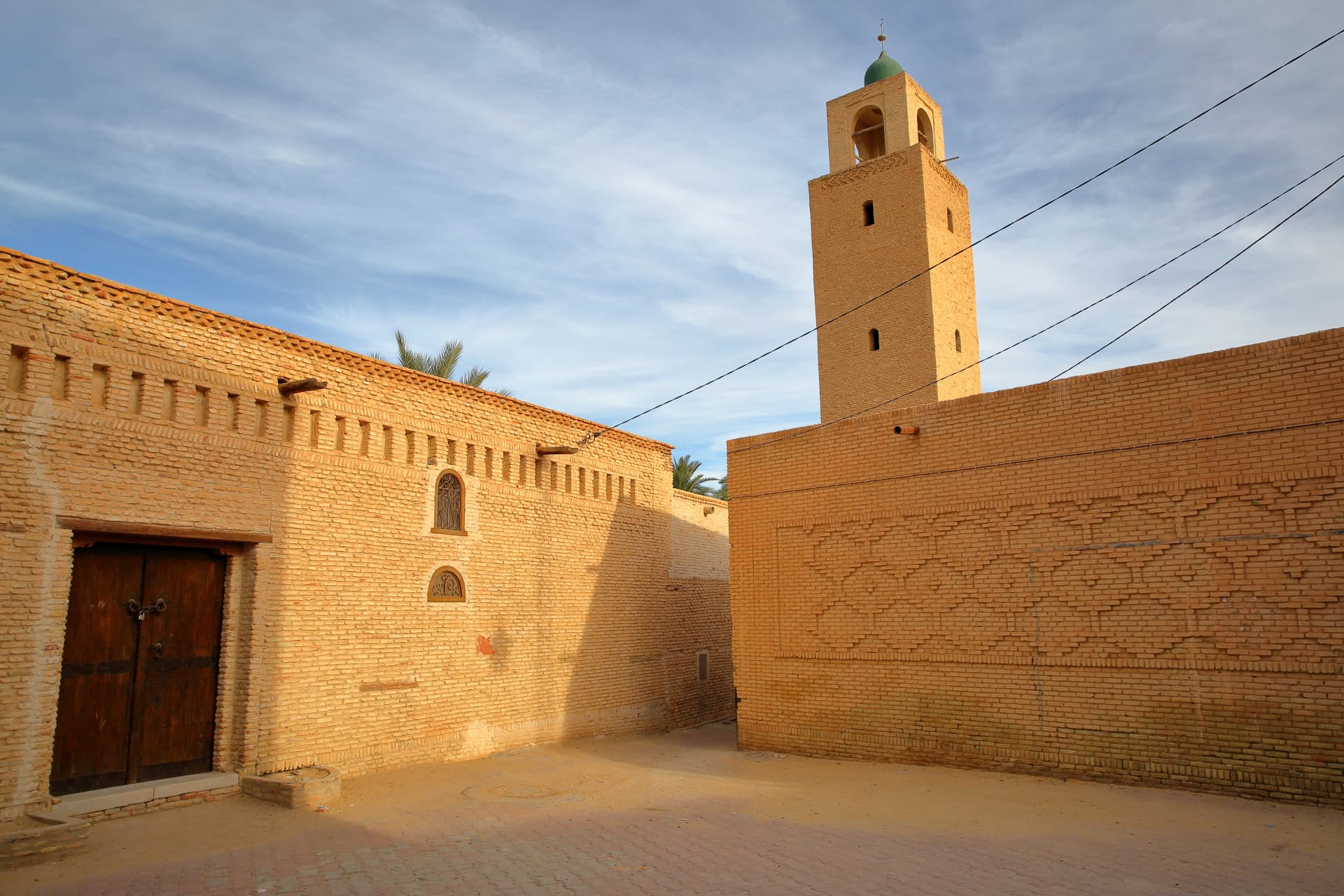
Tozeur
Nearby
This oasis town features traditional brick architecture and palm groves, serving as a hub for excursions into the surrounding desert.

Travellers planning a Tunisia desert tour often assume the Sahara belongs to Morocco or Egypt alone. Southern Tunisia carries a genuine portion of it — dune fields, salt flats and palm oases that sit inside the same continental desert system. This is the is the sahara desert in tunisia guide that settles the question and hands you the practical detail underneath it.
Quick answer
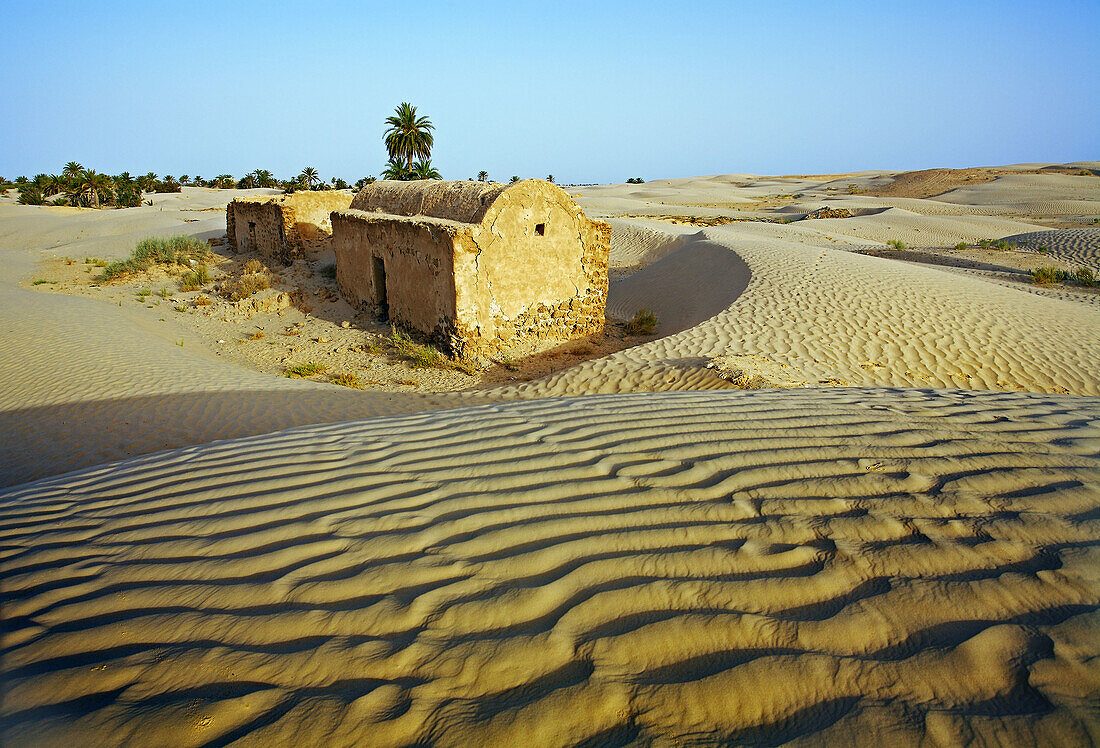
Yes. The Sahara reaches into southern Tunisia, and entry costs 0 TND — it is a natural region with no central gate, technically accessible 00:00–23:59 every day. The caveat that matters: access is unmanaged, not unlimited. Deep dune country requires a guide and a 4x4, and summer daytime heat makes the 05:00–10:00 arrival window the sensible one.
Roughly the southern third of Tunisia sits within the Sahara, yet the country is small enough that a traveller can eat breakfast beside the Mediterranean and stand on a dune crest the same evening. That compression is the reason so many people ask whether the Sahara truly extends this far north-east. It does. The desert does not respect national borders; it runs unbroken from the Atlantic to the Red Sea, and Tunisia holds a modest but authentic share of its eastern flank. What a reader is actually dealing with here is a threshold rather than a destination. There is no perimeter fence, no ticket office, no queue. Below the Chott el Djerid — the vast salt pan that glares white and pink under low sun — the cultivated land thins, the last irrigated groves give way, and the erg begins. Douz, long called the gateway to the desert, marks that handover in practical terms. Tozeur and Nefta anchor the oasis side of it, with mountain settlements such as Chebika and Tamerza clinging to the Atlas foothills nearby. Further east, Ksar Ghilane sits as an isolated outpost beside a hot spring, and Matmata's underground Berber dwellings sit in the rocky transition zone above the sand. So the answer to is the sahara desert in tunisia is geographical rather than administrative, and that distinction shapes how a visit should be planned. Nothing opens or closes. Nothing charges admission. What governs a trip instead are heat, distance and logistics: unmarked tracks, long gaps between fuel stops, and dune fields where GPS matters more than signage. Independent travellers reach the fringe easily. The interior — the great sand seas of the Grand Erg Oriental — belongs to camel treks and licensed 4x4 operators who know the ground. Used properly, this answer becomes a planning tool. Confirm that Tunisian Sahara access is free and continuous, then spend the planning energy on the parts that genuinely constrain a trip: season, vehicle, guide and timing. Anyone researching is the sahara desert in tunisia guide material for a first visit should treat the region as a landscape to be entered with preparation rather than a landmark to be visited. The dunes, the star camps and the oasis towns are all reachable — the question is simply how far in, and with whom.
“The desert does not respect national borders; Tunisia holds a modest but authentic share of its eastern flank.”
The Sahara Desert encompasses a significant portion of Southern Tunisia, defining the country's southern landscape. This vast region serves as the northern gateway to the largest hot desert in the world.
The desert landscape covers a substantial southern portion of the country, transitioning from Mediterranean climates to arid sand dunes.
The Sahara Desert spans across much of North Africa, making it the largest hot desert on Earth.
This massive sea of sand dunes extends from Algeria into Tunisia, creating the iconic desert scenery found in the south.
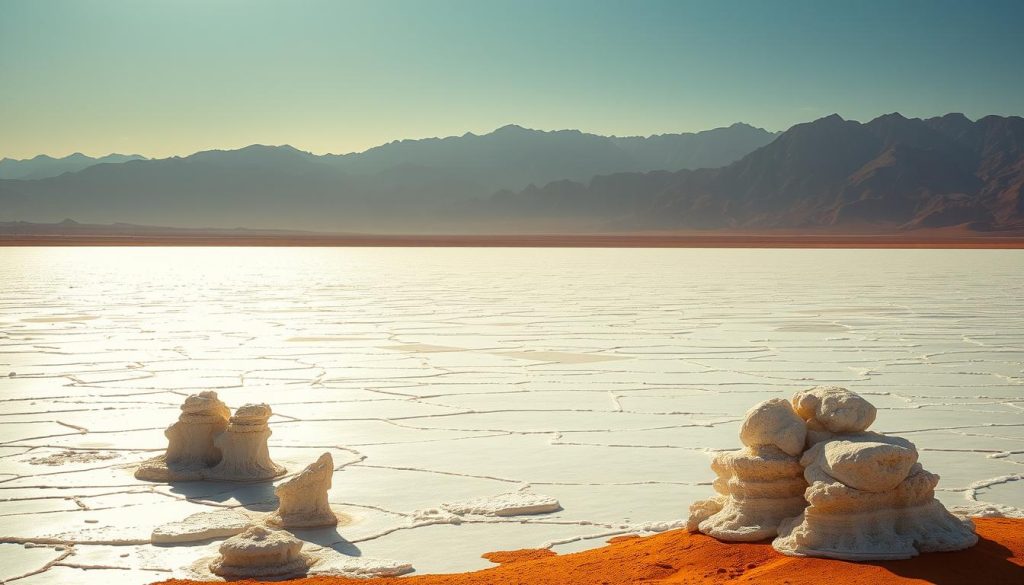
Located within the Tunisian Sahara, this endorheic salt lake is the largest in the country and covers over 7,000 square kilometers.
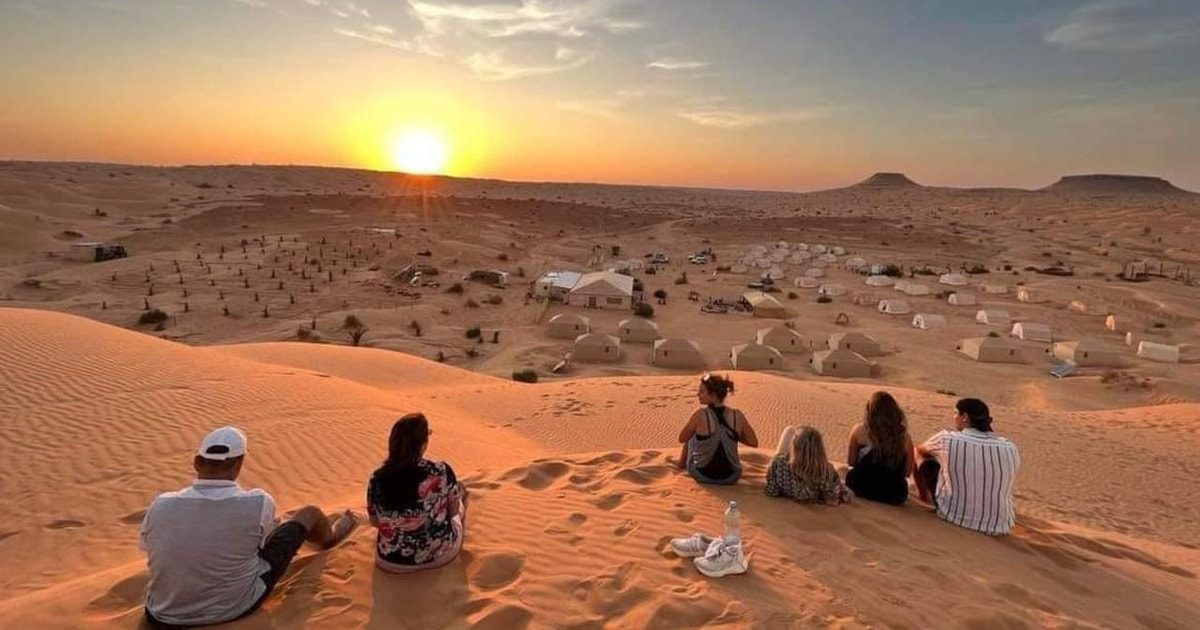
This town serves as a primary access point for desert expeditions, situated on the edge of the dunes in Southern Tunisia.
This remote desert oasis features a natural spring and is situated at the edge of the Grand Erg Oriental dunes.
The best time to visit the Sahara Desert in Tunisia is during the cooler months of autumn and spring, specifically from October to April. To ensure a comfortable experience, visitors should plan their arrival within the best arrival window of 05:00–10:00 to avoid the intensity of midday heat.
Mild days, cool nights
These months offer the most manageable temperatures for desert excursions.
Extreme heat exceeding 40°C
High temperatures make daytime exploration difficult and potentially hazardous.
—
Adhere to the best arrival window of 05:00–10:00 to bypass extreme midday heat and maximize comfort.
Verdict: The optimal time for a visit is between October and April, arriving strictly between 05:00–10:00 to escape the heat.
The Sahara Desert in Tunisia is a natural region that remains accessible to visitors at all times throughout the week.
The Sahara Desert is located in Southern Tunisia. Visitors typically access this region by traveling from major northern cities like Tunis or Tozeur to reach the gateway towns on the desert edge.
P16 road to Douz
SNTRI network to Tozeur
Louage (shared taxi) to Kebili
Plan your journey to align with the best arrival window of 05:00–10:00 to avoid extreme midday heat and ensure safer travel conditions across remote desert routes.
Several historic towns and desert landscapes border the Sahara in Tunisia, providing practical gateways for your journey. These locations offer cultural context and access to the dunes while serving as key departure points for further exploration.
Nearby
This oasis town features traditional brick architecture and palm groves, serving as a hub for excursions into the surrounding desert.
Nearby
This expansive salt lake sits on the edge of the Sahara and offers a unique landscape that transitions into the sand dunes.
Nearby
Often called the gateway to the Sahara, this town provides direct proximity to the Grand Erg Oriental for desert excursions.
Nearby
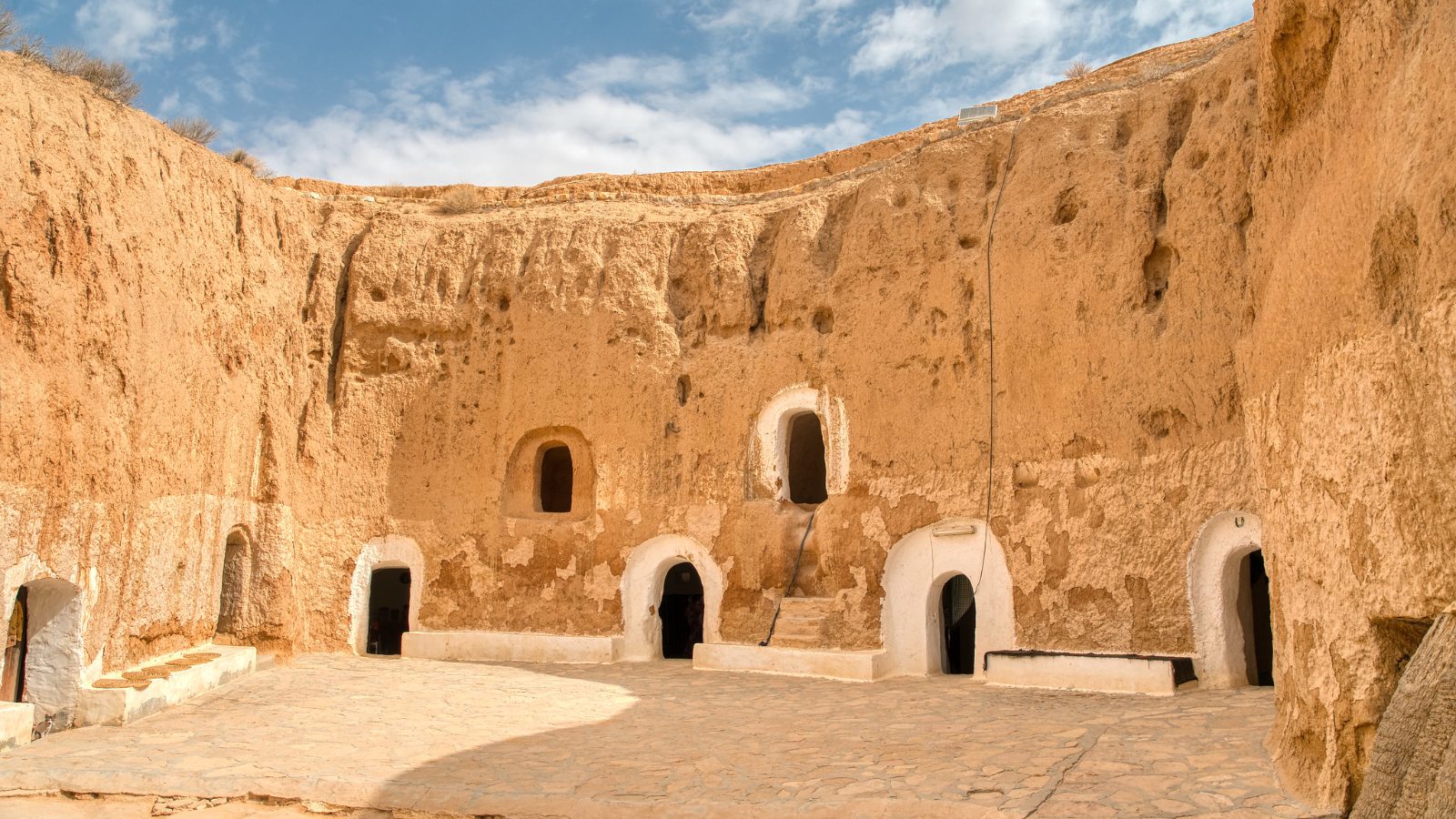
Known for its unique underground troglodyte dwellings, this area provides a distinct cultural contrast to the open desert plains.
Everything you need to know about is the sahara desert in tunisia
Yes, the Sahara Desert covers a vast portion of Southern Tunisia, marking the northern edge of the great desert. Many travelers often wonder is the sahara desert in tunisia accessible, and the answer is yes, with established routes leading into the dunes. Exploring this natural landscape offers a unique look at the expansive arid terrain of North Africa.
There is no entrance fee, as the desert is a natural region with no central gate. Because the query is the sahara desert in tunisia often implies gated entry, it is helpful to know that public access remains free of charge. You may choose to book guided excursions to navigate the terrain safely.
The desert is accessible 24 hours a day throughout the week. While the area is always open, visitors should plan their activities around extreme weather conditions. Knowing is the sahara desert in tunisia open at night helps for stargazing, though professional guidance is recommended for after-dark travel.
The best arrival window is 05:00–10:00 to avoid extreme midday heat and enjoy cooler temperatures. When planning your trip, consider that visiting during these early hours is essential for a comfortable experience. This timing is standard for those researching the best way to traverse the Tunisian dunes.
Families can visit the region, provided they take proper precautions regarding the harsh climate. Safety in the desert relies on proper hydration and selecting reliable transport for your Sahara Desert excursion. Proper preparation ensures that even younger travelers can experience this iconic geographic landmark.
The region features vast sandy ergs, rocky plateaus, and stunning palm oases. Travelers asking is the sahara desert in tunisia home to sand dunes will find exactly that, particularly near regions like Douz or Tozeur. These areas showcase the diverse geological features found within the Tunisian desert zone.
Visitors should pack breathable clothing, high-SPF sunscreen, and plenty of water for their journey. Because the desert climate is intense, preparation is vital for anyone planning to tour this African wilderness. Always confirm your transport and guide arrangements well in advance of your arrival.
Sahara Day Excursions
Read more Tickets & toursHollywood Film Hotspot Tours
Read more GuideTour Price and Cost Guide
Read more Tickets & toursDesert Tours from Sousse
Read more Tickets & toursDesert Tours from Tunis
Read more Tickets & tours2-Day Sahara Desert Tours
Read more Tickets & toursDesert Tours from Hammamet
Read more